Here is one of the most expensive myths in veteran homebuying: the idea that your VA loan is a one-time benefit. It is not. Your VA loan benefit is reusable for life, and in some cases you can even hold two VA loans at the same time. Understanding how entitlement works is the key that unlocks it all, whether you are selling and moving, PCSing across Texas, or keeping your first home as a rental. Here is exactly how veterans use this benefit again and again.
How Many Times Can You Use a VA Loan?

There is no limit. You can use your VA loan benefit two times, five times, or ten times over your life. The benefit does not expire, does not run out with age, and does not disappear after one use. As long as you remain eligible and have entitlement available, you can keep using it.
The engine behind this is called entitlement, which is the dollar amount the VA guarantees on your behalf to the lender. When you buy a home with a VA loan, you use a portion of your entitlement. When you sell that home and pay off the loan, you can restore that entitlement and use it again at full strength.
This is why veterans who understand the system buy their second, third, and fourth homes with VA loans, each time with zero down payment and no mortgage insurance. Meanwhile, veterans who believe the one-time myth save for years on conventional down payments they never needed.
The rules around restoring and splitting entitlement have some moving parts, which is exactly why working with a VA specialist like Texas Mortgage Ninja matters. But the core fact is simple: this benefit is yours for life.
Can I Have Two VA Loans at the Same Time?

Yes, and this surprises almost everyone. Because entitlement is a dollar amount rather than a single-use ticket, many veterans have enough remaining entitlement to buy a second home with a VA loan while keeping the first.
Here is the classic Texas scenario: a service member buys a home near Fort Cavazos with a VA loan. Orders come through for San Antonio. Instead of selling, they keep the Killeen home as a rental and use their remaining entitlement to buy in San Antonio with another VA loan, again with little or nothing down.
The math works like this: your remaining entitlement is calculated against the conforming loan limit in your county. If your first loan used only part of your entitlement, the remainder determines how much you can borrow on the second home with no down payment. If the second purchase exceeds that amount, you may need a small down payment to cover the gap, still far less than conventional financing would require.
The occupancy rule still applies: you must intend to occupy the new home as your primary residence. The old home becoming a rental is perfectly allowed, and its rental income may even help you qualify.
What is the minimum loan amount for a second VA loan?
When using remaining entitlement for a second VA loan, the loan amount generally must be above $144,000. Your lender will calculate your exact numbers.
How Do I Restore My VA Entitlement?

Restoring entitlement means getting your full benefit back so you can use it again, and there are three ways it happens.
The most common: sell the home and pay off the VA loan. Once the loan is paid in full and the property is gone, you can apply to restore your entitlement completely. This happens through VA Form 26-1880, and your lender typically handles it electronically during your next purchase.
The second path is one-time restoration. If you paid off your VA loan but kept the home, maybe you refinanced into a conventional loan or paid it off outright, you can restore your entitlement one time without selling. This is a powerful but single-use tool, so deploy it thoughtfully.
The third involves having another veteran assume your VA loan and substitute their entitlement for yours, which is less common but useful in the right situation.
One caution: if you lost entitlement through a foreclosure or short sale on a VA loan, that portion stays used until the VA is repaid, but your remaining entitlement is often still enough to buy again. Do not assume a past loss ended your benefit. Texas Mortgage Ninja can pull your COE and show you exactly what you have available in minutes.
Can I Use a VA Loan to Buy a Second Home or Investment Property?
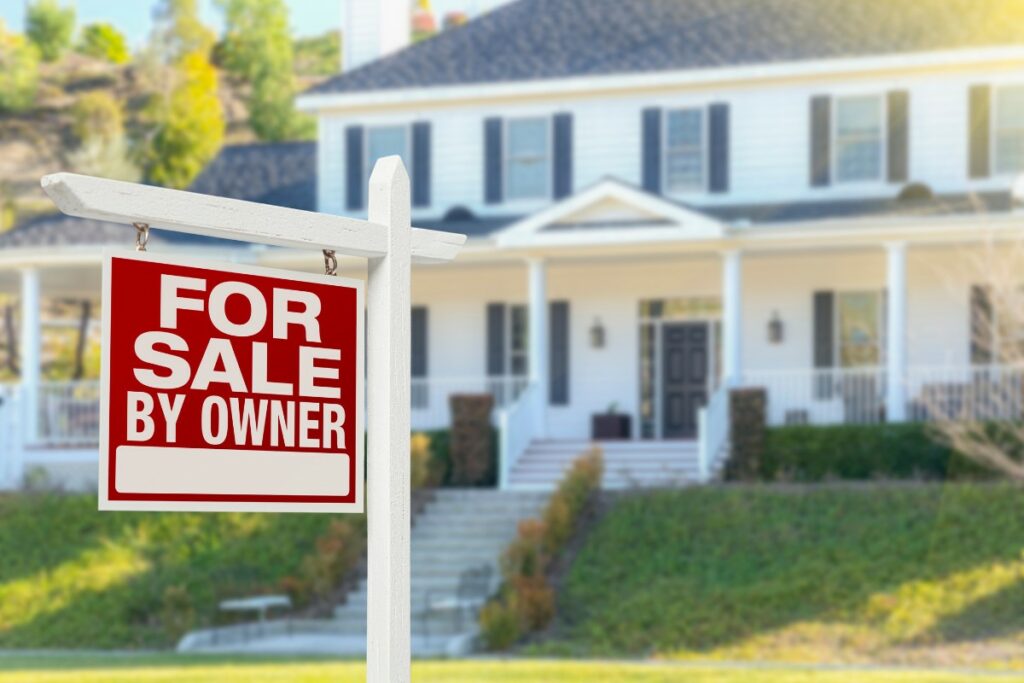
The VA loan is built for primary residences, so you cannot use it to directly buy a pure vacation home or rental property. But the occupancy rule is a point-in-time requirement, not a life sentence, and savvy veterans build real estate portfolios with this benefit.
Here is how it works. You must intend to occupy each VA-financed home as your primary residence, generally moving in within 60 days of closing. What happens later is up to you. Live in the home, then when life moves you along, keep it as a rental. Buy your next primary residence with your remaining entitlement or restored entitlement. Repeat.
Veterans stationed in Texas do this on every PCS cycle. Buy at Fort Bliss, rent it out after orders to Fort Sam Houston, buy again. A few moves later, they own multiple cash-flowing properties, each acquired with zero down.
There is also the multi-unit play: VA loans can buy duplexes, triplexes, and fourplexes as long as you live in one unit. Your tenants’ rent helps cover the mortgage while you build equity in four units at once. That is house hacking with the strongest financing in America. Explore what your entitlement could do at texasmortgageninja.com.
Does the VA Funding Fee Change When I Use My Benefit Again?
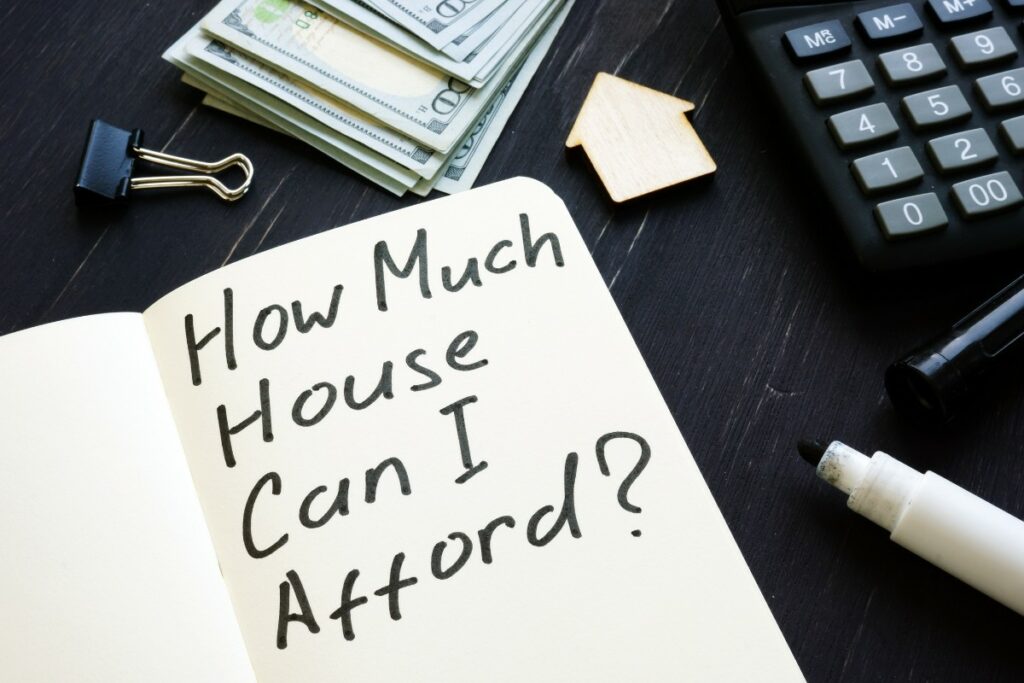
Yes, and this is the one real cost of repeat use, so plan for it. The funding fee on a first VA loan with zero down is 2.15 percent of the loan amount. On subsequent use with zero down, it rises to 3.3 percent. On a $350,000 loan, that is the difference between $7,525 and $11,550.
Two big exceptions soften this. First, if you put at least 5 percent down, the fee drops to 1.5 percent regardless of how many times you have used the benefit, and 10 percent down brings it to 1.25 percent. For repeat users with some savings, a modest down payment can nearly cut the fee in half.
Second, and most important: veterans receiving VA disability compensation are completely exempt from the funding fee on every use, first, second, or tenth. Surviving spouses with DIC eligibility are exempt as well. If you have a pending disability claim, tell your lender before closing, because a rating dated before closing can qualify you for a refund.
The fee also rolls into the loan, so it does not change your cash needed at closing. Weigh it against what you are getting: zero down, no mortgage insurance, and a below-market rate on every single use of the benefit.
What Is the Process for Using My VA Loan Benefit Again?

Using your benefit again looks almost identical to the first time, with one extra step: sorting out your entitlement picture upfront.
Step one, your lender pulls your Certificate of Eligibility, which shows your entitlement status and any prior usage. Step two, if you sold your previous VA-financed home, your lender submits for restoration so you start fresh. If you are keeping the old home, the lender calculates your remaining entitlement and your maximum zero-down purchase price. Step three is standard preapproval: income, credit, and assets. Steps four and five are the house hunt and closing, typically 30 to 45 days.
The paperwork trap veterans hit is assuming their COE automatically updated after selling their last home. It does not. Restoration must be requested, and doing it during preapproval instead of mid-contract keeps your timeline clean.
Your VA benefit was never meant to be used once and shelved. It is a lifetime tool for building stability and wealth, and every year you leave it idle is a year of zero-down buying power unused. Find out exactly how much entitlement you have and what it can buy in today’s Texas market. The team at texasmortgageninja.com will pull your COE and map your options, no cost and no pressure. Use the benefit you earned, as many times as life requires.